The academic monograph Compliantly-Driven Robots with Application to Exoskeletons, jointly authored by Associate Professor Xiang Li from the Department of Automation at Tsinghua University and Associate Professor Yu Haoyong, Associate Director (Research Translation) of NUS GRTII - has been officially published. This comprehensive work presents the authors’ extensive long-term research in the fields of compliantly-driven robotics and exoskeleton systems. It provides an in-depth, multidisciplinary analysis of key technological frameworks and explores the engineering implementation and future trends of exoskeleton applications.
As a significant outcome of the Institute’s key research focus areas, the book not only systematically outlines core theoretical foundations but also incorporates numerous research case studies. It offers forward-looking and practical insights for professionals in intelligent systems, biomedical engineering, and the robotics industry. For readers interested in compliant drive, exoskeletons, intelligent robotics, or rehabilitation engineering, this new publication serves as a high-quality resource to understand cutting-edge developments and gain perspective on technological directions. It also showcases the academic depth and innovative achievements of the Institute’s Principal Investigators in crucial technological domains.

Book Link:
https://link.springer.com/book/10.1007/978-981-96-9544-7
Highlights of the Book
The content encompasses three core sections:
Mechanical Design: A detailed breakdown of the construction principles for actuators, joints, and system architecture
Interactive Control: Focuses on dynamic response technologies such as intent perception, feedback systems, and adaptive control.
Interactive Learning: Explores machine learning algorithms specific to robotics, facilitating continuous adaptation and performance optimization of devices.
Integration of Mechanical Design and Interactive Learning
Integrates mechanical design and interactive learning for compliantly driven robot and exoskeletons
Practice-Oriented Approach
Offers clear illustrations and case studies, combined with simulation codes accessible to a wide audience
Focus on Medical Rehabilitation
Provides practical applications, showcasing how these principles are employed in rehabilitation and assistive devices
Author Profiles
Associate Professor Xiang Li
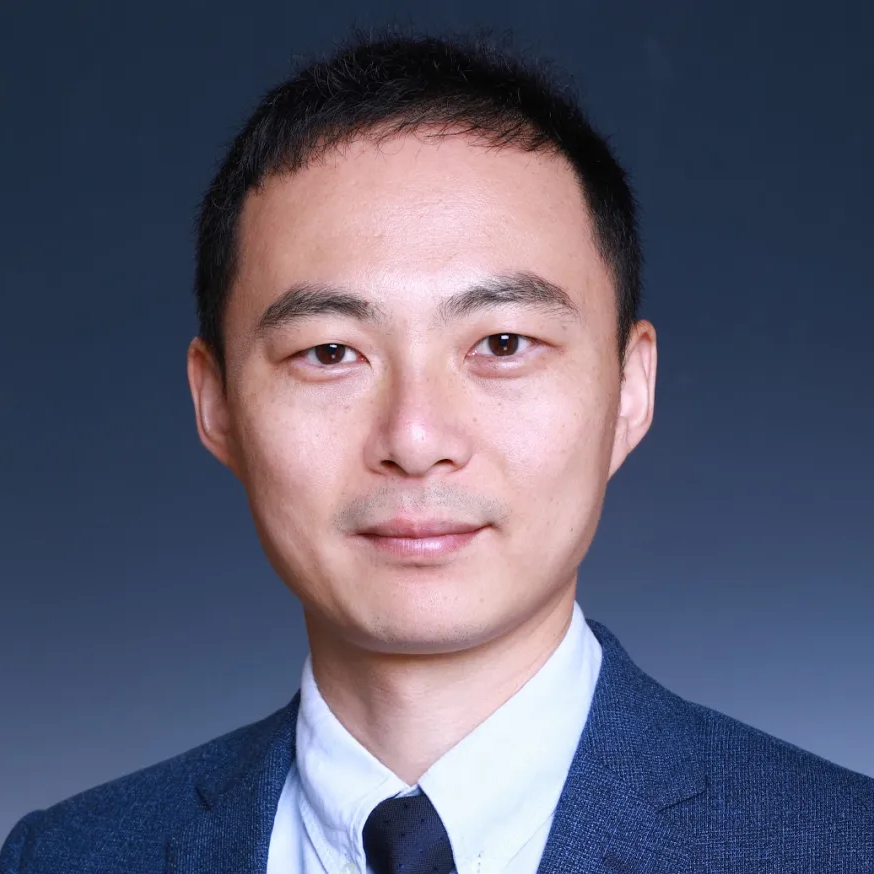
Xiang Li is an Associate Professor and Doctoral Supervisor in the Department of Automation at Tsinghua University. His primary research directions include multi-agent systems, robotic intelligent manipulation, human-robot interaction, and micro/nano robotics. Professor Li has led projects from the Hong Kong Innovation and Technology Commission, the Hong Kong Research Grants Council, Shenzhen Basic Research Key Projects, National Natural Science Foundation of China projects (Youth, General, Joint Key), and major project topics under the STI 2030- “Brain Science and Brain-Like Research” initiative. He has published over 100 papers in high-level robotics journals and conferences such as IJRR, TRO, Automatica, and TAC.
Associate Professor Yu Haoyong
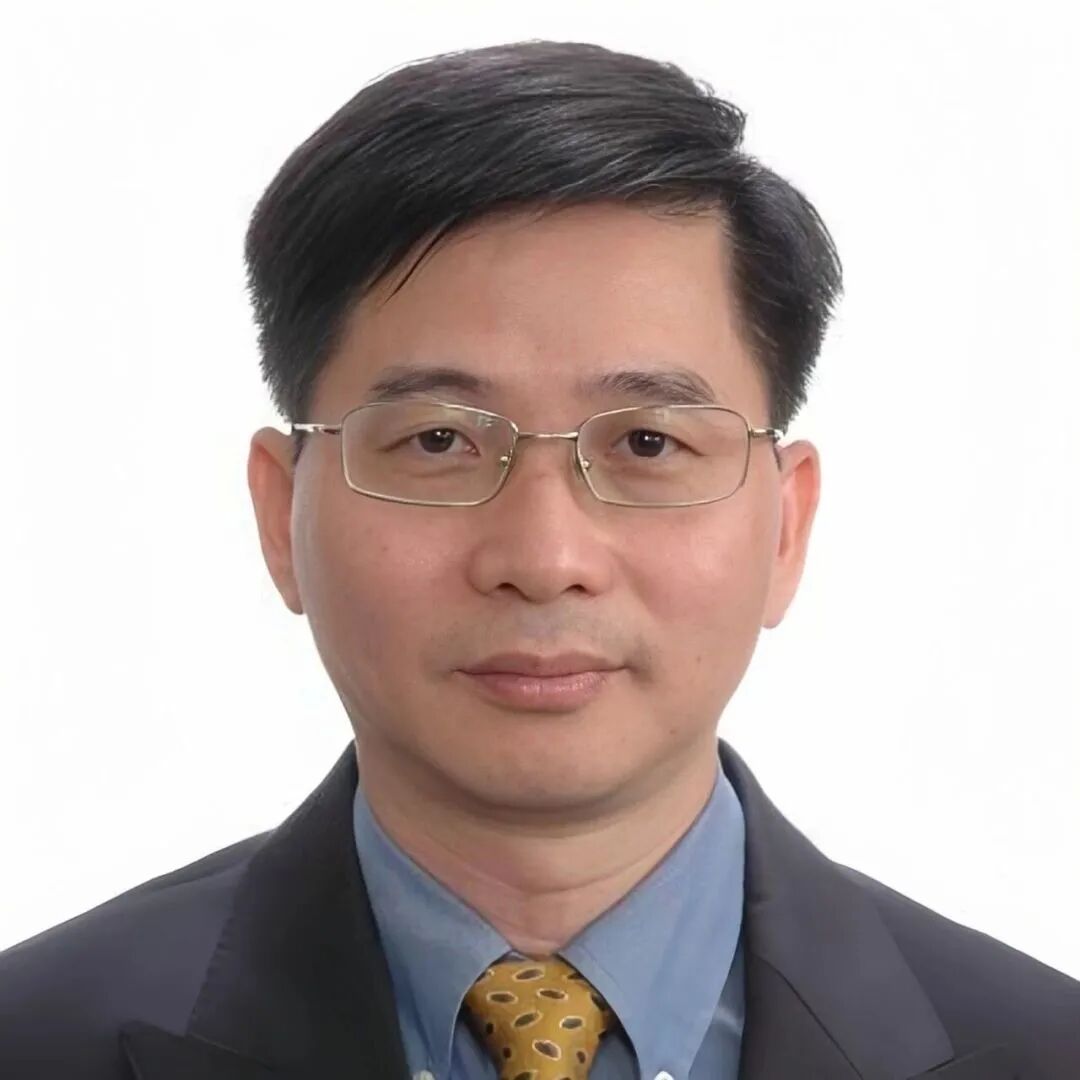
Yu Haoyong is Associate Director (Research Translation) of NUS GRTII, an Associate Professor in the Department of Biomedical Engineering at NUS, and director of the NUS Biorobotics Lab. Since joining the NUS Department of Biomedical Engineering in 2010, Professor Yu has led several major robotics research projects funded by Singapore's National Research Foundation, Ministry of Education, Ministry of Health, and Agency for Science, Technology and Research. His research primarily focuses on bio-inspired robotics, rehabilitation robotics, neurotechnology, and intelligent control.
NUS GRTII extends its sincere congratulations on the publication of the academic monograph Compliantly-Driven Robots with Application to Exoskeletons. The book is now officially available on Springer’s website. You are welcome to visit the link below to read and share it:
https://link.springer.com/book/10.1007/978-981-96-9544-7
Moving forward, Associate Professor Yu Haoyong will continue to focus on core research challenges in exoskeleton and rehabilitation robotics projects. Leveraging the Institute’s Smart Healthcare Laboratory, he is committed to fully driving the translation of innovative achievements from the laboratory to practical applications, contributing tangible advancements to the field of rehabilitation medicine.