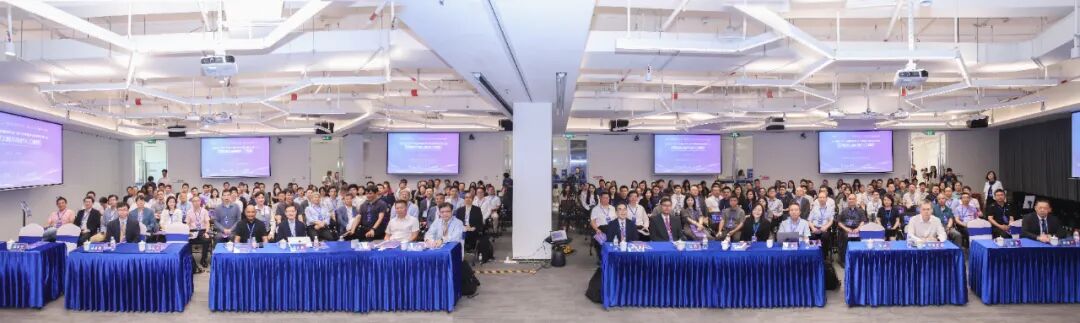
On July 23, National University of Singapore Guangzhou Research Translation and Innovation Institute (NUS GRTII), in partnership with Tsinghua Medicine, successfully hosted the NUS GRTII-TSINGHUA MEDICINE JOINT SYMPOSIUM ON BIOMEDICAL ENGINEERING AND AI IN HEALTHCARE, attracting the attention of leading minds from China and abroad. The event brought together leading scholars, government representatives, industry leaders, and clinical experts from Singapore, Beijing, Shanghai, and the Guangdong-Hong Kong-Macao Greater Bay Area (GBA) in Huangpu District, Guangzhou. United by a shared commitment to innovation and development, participants converged to build a dynamic platform for in-depth collaboration ecosystem covering government, industry, academia, research, clinical medicine and investment, and to explore pathways for synergizing technological innovation, clinical application, and industrial translation.
The symposium not only showcased the latest advancements of two premier institutions in medical AI but also stood as a vivid testament to China-Singapore scientific and technological cooperation. It offered a replicable model for exploring new paradigms in international collaboration and breaking down translational barriers between laboratory research and real-world applications.
Opening Remarks
Grand Opening, Open Dialogue, Joint Commitment
The opening ceremony was inaugurated by Professor Dan Zhao, Director of NUS GRTII, who on behalf of the co-organizers, extended a warm welcome to all attendees. Positioning the conference within the broader convergence of life sciences, engineering, and artificial intelligence, Professor Dan Zhao elaborated on the rationale behind the joint initiative with Tsinghua Medicine. He emphasized that, leveraging the China-Singapore Guangzhou Knowledge City as a premier national-level cooperation platform, the Institute would continue to serve as a vital bridge, connecting the entire chain from scientific research to clinical and industrial deployment. He expressed his expectation that the conference would consolidate collective strength and catalyze more innovation-driven translational projects.
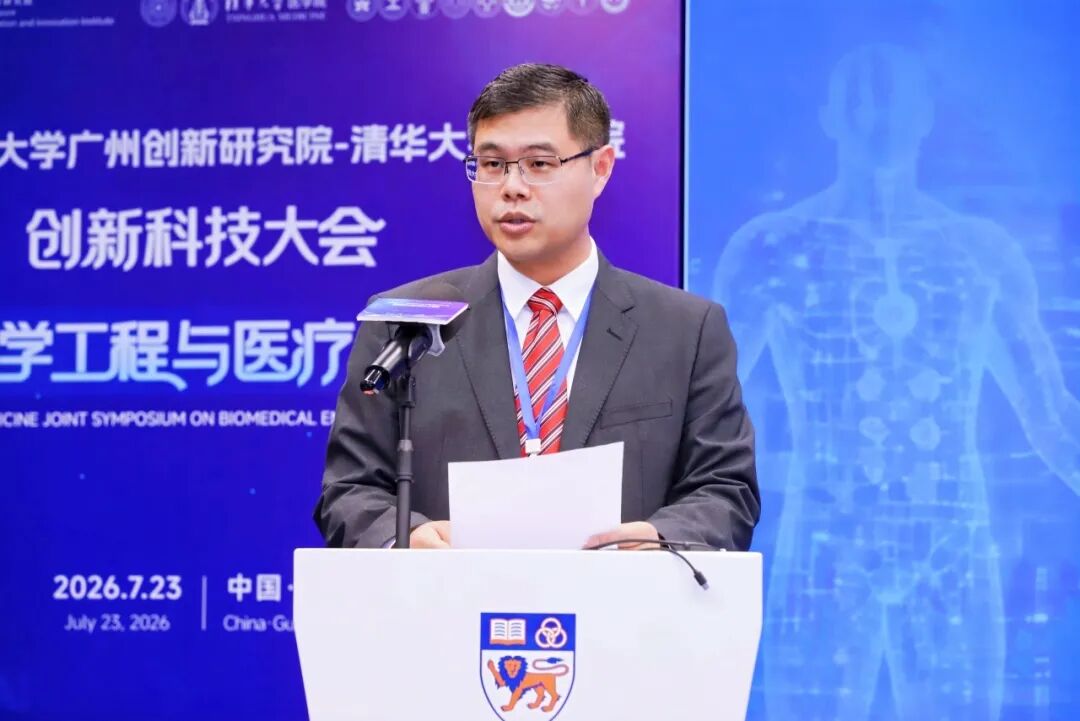
Remarks by Professor Dan Zhao, Director of NUS GRTII
Dr. Wang Datong, Deputy Secretary of the CPC Guangzhou Development District Working Committee delivered remarks grounded in the industrial ecosystem of Huangpu and the Knowledge City. He highlighted that Guangzhou Development District and Huangpu District are home to over 4,800 biomedical enterprises and a number of top-tier specialty hospitals, forming a comprehensive medical and health industry cluster. With the implementation of mutual recognition for Sino-Singapore pharmaceutical regulations and the steady expansion of the free trade zone, the two districts remain committed to enhancing its innovation support infrastructure, providing fertile ground for cross-disciplinary and cross-border collaboration in medical AI translation.
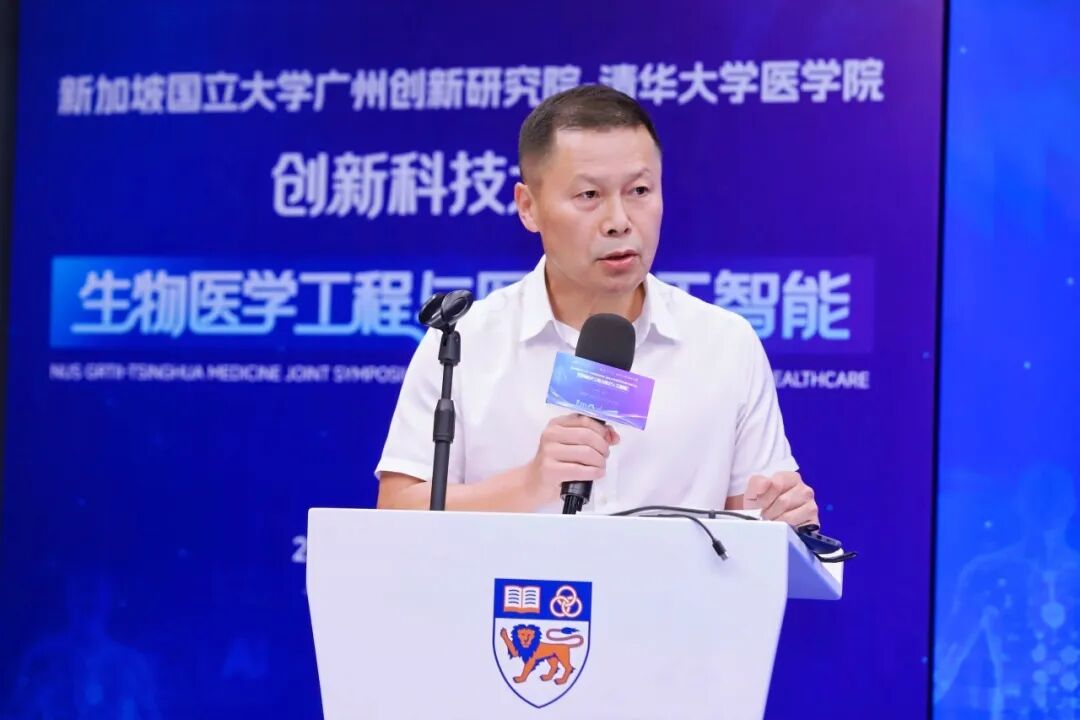
Remarks by Dr. Wang Datong, Deputy Secretary of the CPC Guangzhou Development District Working Committee
Mr. George Loh, NUS Associate Vice President (Strategic Partnerships) reflected on the long-standing and deep-rooted institutional collaboration between NUS and Tsinghua University, noting that their joint funding initiatives have already yielded multiple outcomes in biomedicine and artificial intelligence. He underscored NUS GRTII as a critical vehicle bridging frontier research and industrial application, and expressed hope that the conference would serve as a platform for international translation, aligning cutting-edge academic technologies with industrial needs, and empowering global healthcare innovation through industry-university-research synergy.
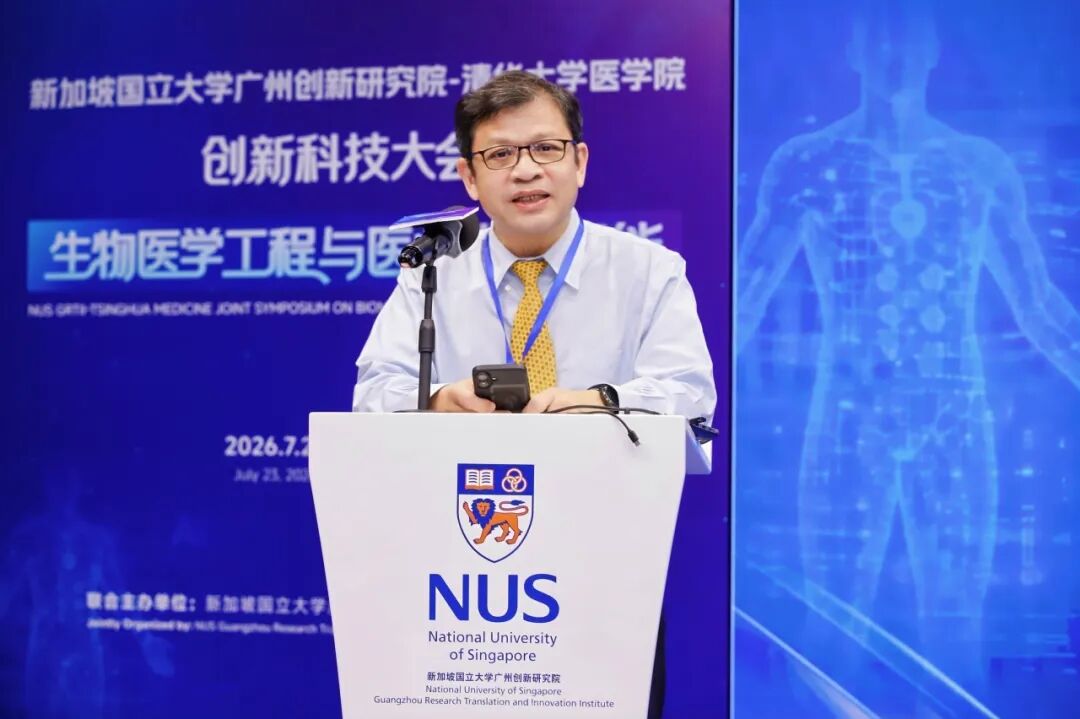
Remarks by Mr. George Loh, NUS Associate Vice President (Strategic Partnerships)
Keynote Speeches
Visionary Minds, Shared Frontiers–Pioneering the Future of Biomedical Engineering and Medical AI
The morning keynote session featured four distinguished experts from Singapore and China, who delivered presentations across four core domains: the overarching development of medical AI, ubiquitous wearable healthcare systems, intelligent wearable materials, and single-molecule precision diagnostics. Their talks spanned fundamental research, clinical application, and industrial translation.
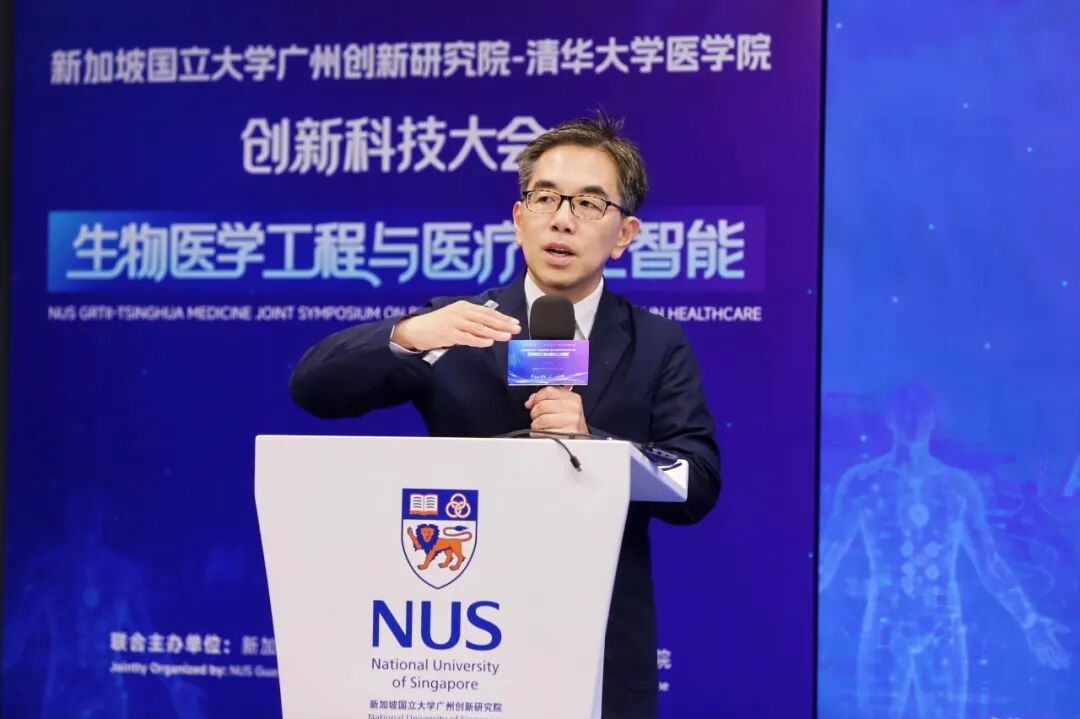
Keynote by Professor Tien Yin Wong, Vice-Provost of Tsinghua University and Senior Vice-Chancellor of Tsinghua Medicine
Professor Tien Yin Wong, Vice-Provost of Tsinghua University and Senior Vice-Chancellor of Tsinghua Medicine delivered a keynote titled “AI in Medicine in 2026: Current State-of-the-Art, Gaps and Future” As a globally renowned medical AI scientist and ophthalmic clinician-scientist, Professor Wong traced the evolution of deep learning, medical foundation models, and AI agent systems over the past decade across screening, diagnosis, and clinical decision-making. He identified the persistent industry challenge of outstanding laboratory performance failing to translate into real-world clinical impact. Innovatively, he proposed the 7Ps for successful AI deployment—People, Product, Platforms, Process, Policy, Payment, and Partnerships—and detailed Tsinghua’s practical pathway for implementing AI-Agent hospitals, advocating for the construction of a comprehensive medical AI industrial ecosystem to truly integrate AI into clinical practice and realize a transformative shift in medical paradigms.
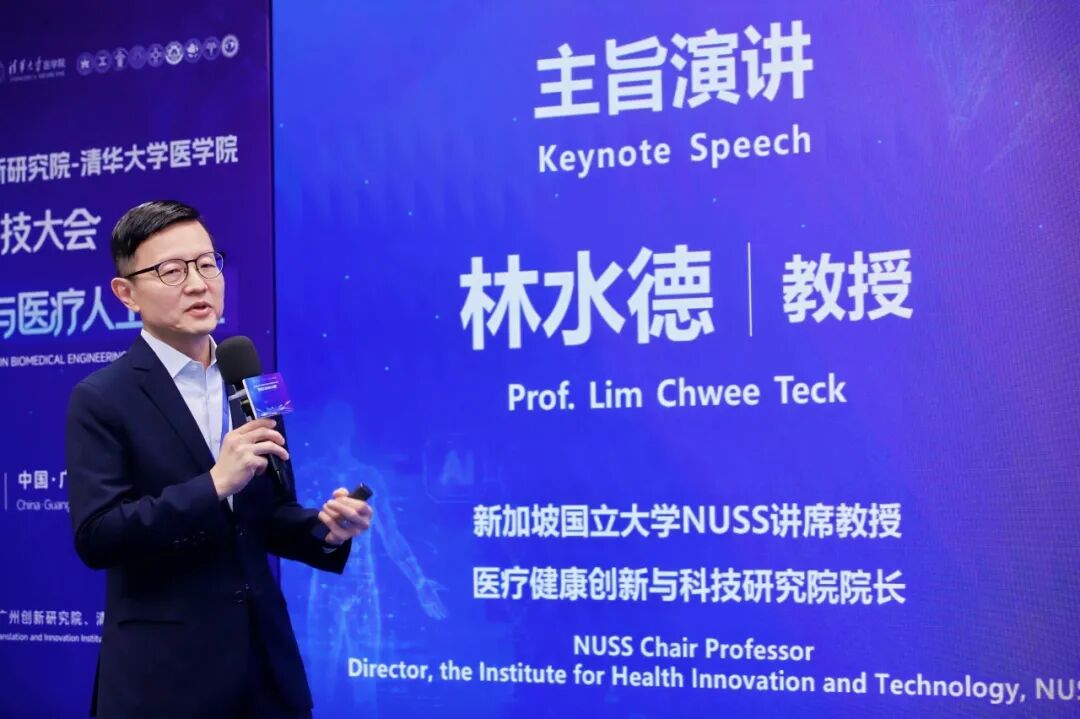
Keynote by Professor Lim Chwee Teck, NUSS Chair Professor and Director of the NUS Institute for Health Innovation & Technology (iHealthtech)
Professor Lim Chwee Teck, NUSS Chair Professor and Director of the NUS Institute for Health Innovation & Technology (iHealthtech) delivered a presentation titled “Wearable Intelligence and the Future of Healthcare Anywhere.” As an international pioneer in biomedical engineering, Professor Lim elaborated on the core concept of “Hospital Anywhere,” illustrating how wearable sensing technologies, AI, and connected health platforms are disrupting the traditional hospital-based care model to enable continuous, personalized health management at home and in the community. He showcased his team’s development of multiple flexible wearable devices for wound monitoring, diabetes management, and rehabilitation. By capturing real-time physiological signals, these devices enable early disease screening, personalized intervention, and remote clinical coordination. He also shared his experience in commercializing six deep-tech startups, providing a clear pathway for flexible medical electronics to transition from laboratory to industry.
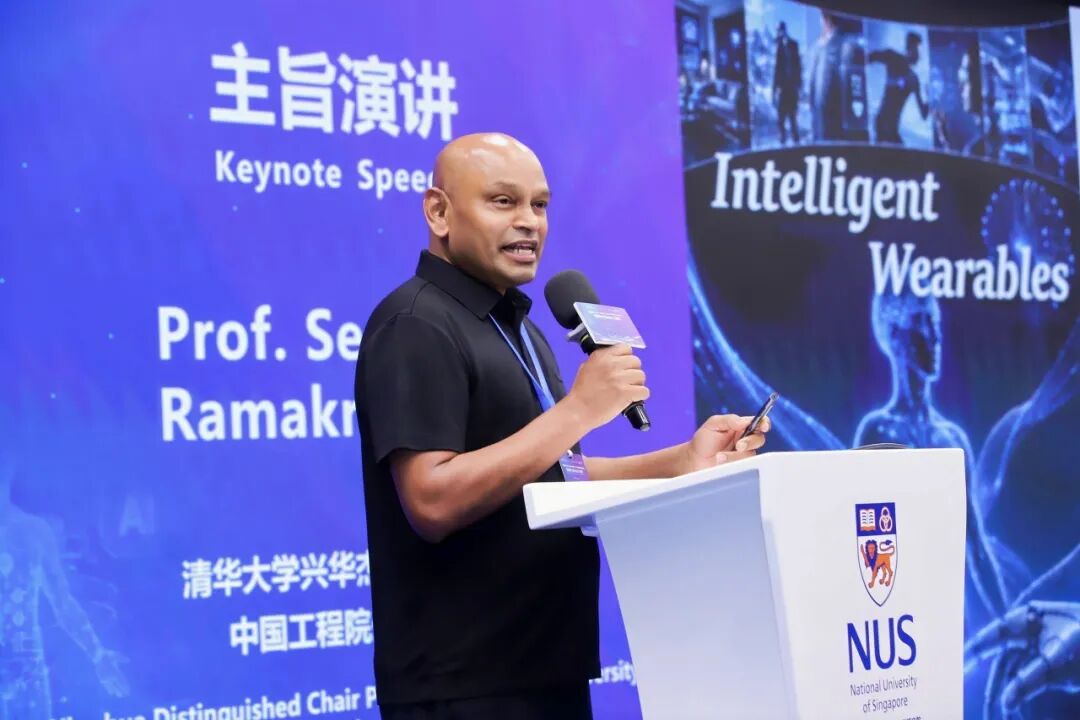
Keynote by Professor Seeram Ramakrishna, Chair Professor at Tsinghua University’s Department of Mechanical Engineering
Professor Seeram Ramakrishna, Chair Professor at Tsinghua University’s Department of Mechanical Engineering delivered a keynote titled “Intelligent Wearables and Systems.” From the perspectives of global industry landscape, domestic innovation development, and electrospinning-based intelligent wearable systems, he dissected the core value of intelligent wearables as connectors between the human body, the physical world, and the digital realm. His talk covered interdisciplinary technological directions including novel materials, flexible sensing, low-power communication, and medical AI, offering a systematic analysis of opportunities and technological bottlenecks in China’s domestic wearable industry, and presenting fresh ideas for the R&D of high-performance localized medical wearables.
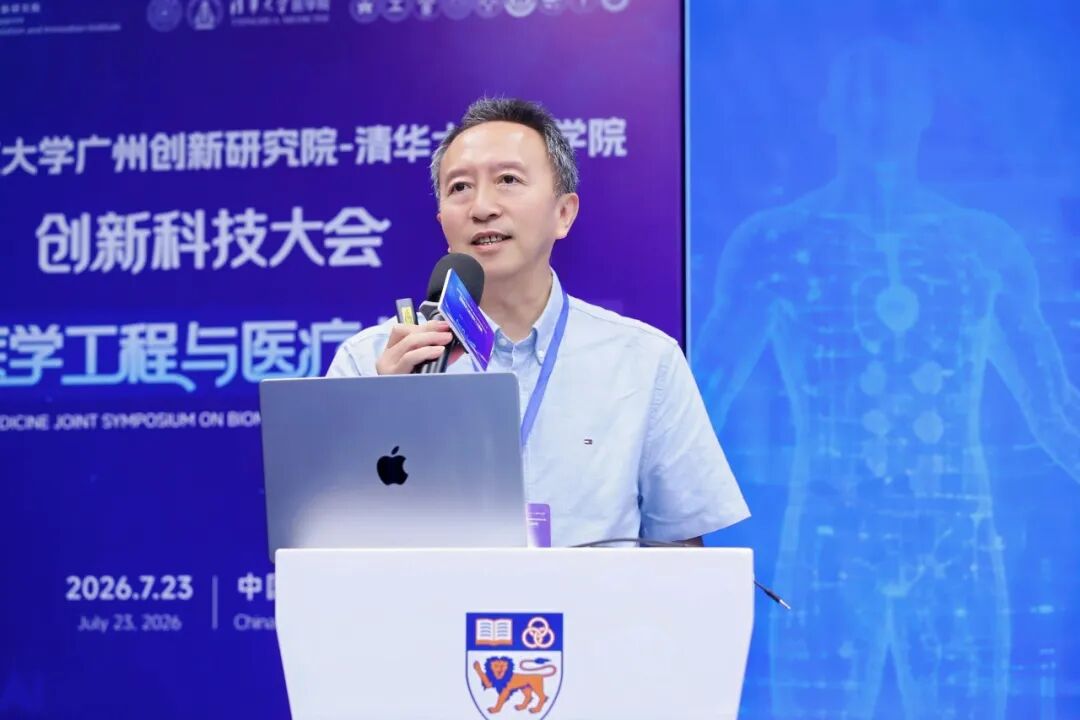
Keynote by Professor Yan Jie from the NUS Department of Physics
Professor Yan Jie from the NUS Department of Physics delivered a frontier report titled “Single-Molecule Mechanical Selection for Translational Immunodiagnostics and AI-Designed Binder Screening.” His team’s original Single-Molecule Mechanical Selection (SMMS) platform, based on the mechanical response characteristics of biomolecules, addresses longstanding industry challenges such as cross-reactivity in traditional immunoassays and insufficient sensitivity in complex biological fluids. This technology has already been translated into a company focused on blood-based testing for Alzheimer’s disease, and has established a collaborative channel with AI-driven protein engineering, enabling high-throughput screening of AI-designed biological binders. It provides a novel, low-cost, and highly specific technological toolkit for in vitro diagnostics and novel drug target discovery, accelerating the convergence of fundamental research in mechanobiology with clinical diagnostic needs.
Panel Discussion
Cross-Sector Dialogue: Decoding the New Ecosystem of Medical AI
Following the keynote speeches, two high-level panel discussion were convened under the overarching theme “Intelligent Computing as Foundation, Medicine-Industry Symbiosis: AI-Driven Full-Chain Innovation and Deployment in Digital Healthcare,” focusing respectively on underlying technological innovation and full-scenario commercialization in medical AI. Academic experts and industry leaders shared the stage, directly addressing critical pain points in the sector.
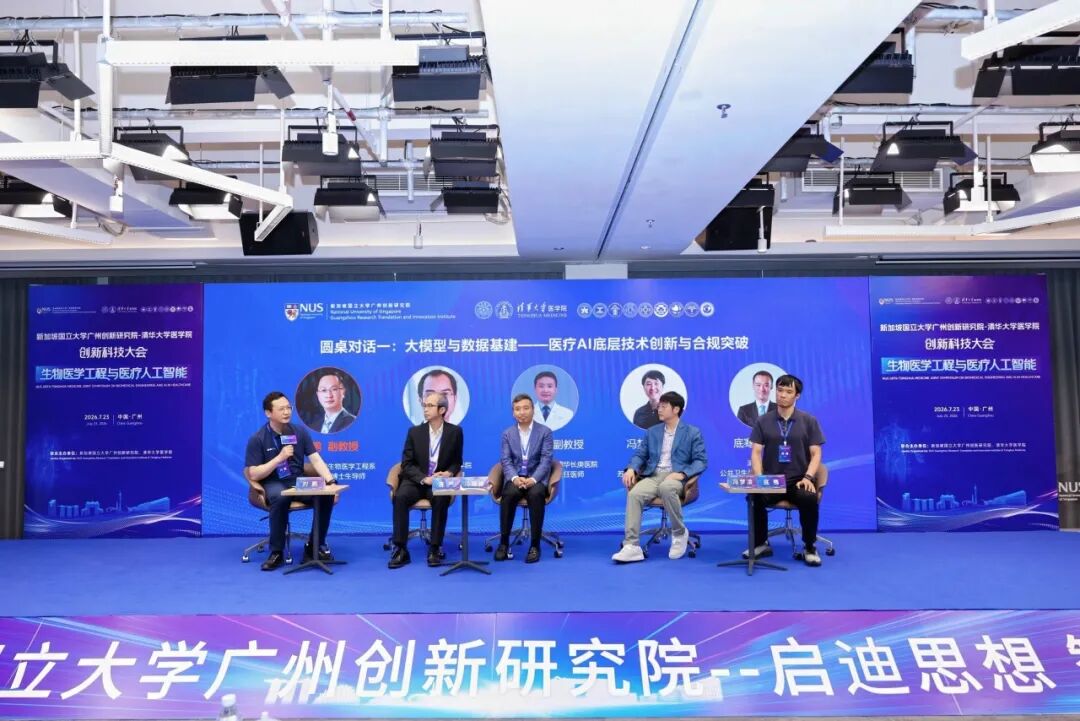
Panel Discussion I: Foundation Models and Data Infrastructure—Innovation and Compliance Breakthroughs in Medical AI Underlying Technologies
Moderated by Associate Professor Liu Peng from Tsinghua University School of Medicine, this discussion brought together Professor Yan Pang from NUS Business School and School of Computing, Associate Professor Feng Xiaobin, Deputy Chief Physician at the Hepatobiliary and Pancreatic Center of Beijing Tsinghua Changgung Hospital, Associate Professor Feng Mengling from NUS Saw Swee Hock School of Public Health, and Associate Professor Di Qian from Tsinghua University School of Public Health and Health. The discussion centered on the development of vertical medical foundation models, compliant governance of medical data, and privacy-preserving computing.
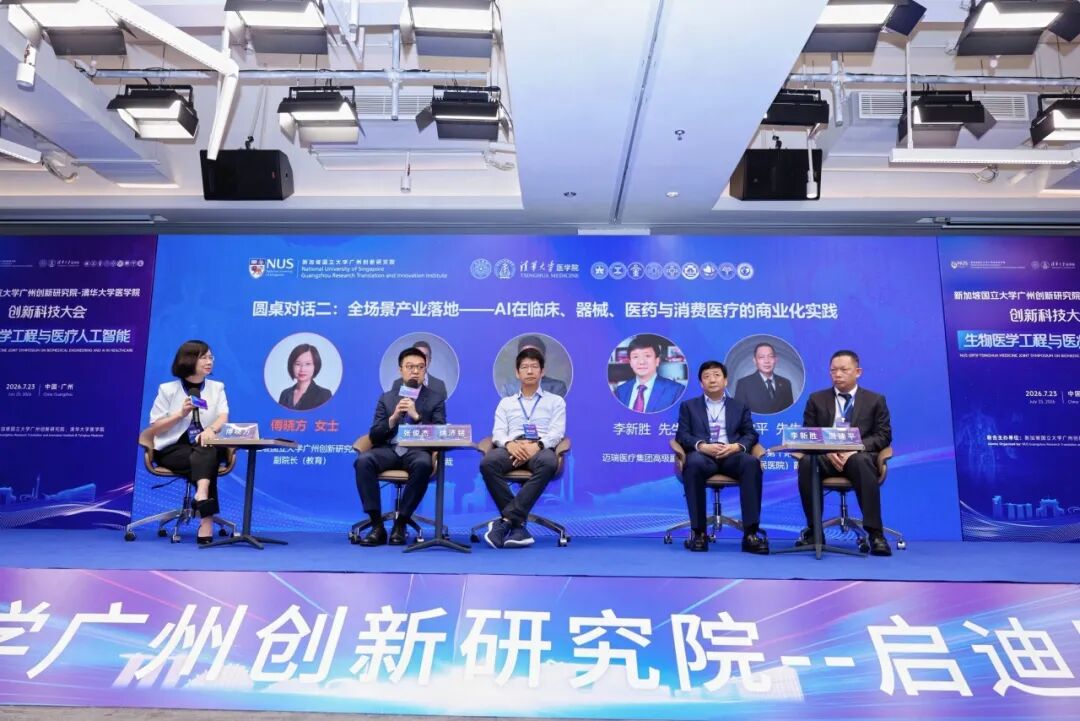
Panel Discussion II: Full-Scenario Industrial Deployment—Commercialization of AI in Clinical Practice, Medical Devices, Pharmaceuticals, and Consumer Healthcare
Moderated by Ms. Fu Xiaofang, Senior Associate Director (Education) of NUS GRTII, this dialogue featured Mr. Zhang Junjie, Vice President of Ant Group and President of Ant Health Business Group; Mr. Xu Jiming, Co-founder and CEO of Yidu Tech; Dr. Li Xinsheng, Senior Vice President of Mindray Medical; and Professor Zhou Jianping, Vice President of the Tenth Affiliated Hospital of Southern Medical University (Dongguan People’s Hospital). The panelists shared real-world commercialization cases from internet healthcare, high-end medical devices, and smart healthcare applications, engaging in in-depth discussions on commercialization pathways, clinical access, and physician-patient acceptance of AI medical products, offering actionable solutions for scaled cross-scenario deployment.
Parallel Sessions
Panoramic Showcase of Cutting-Edge Achievements in Specialized Fields
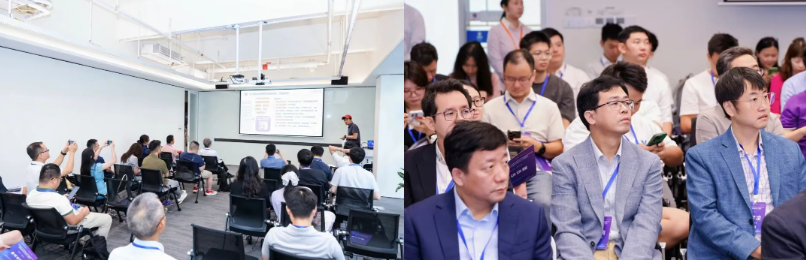
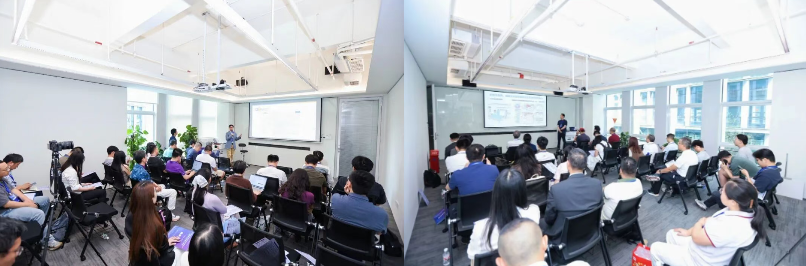
In the afternoon, three parallel sessions were convened simultaneously, showcasing cutting-edge advancements across specialized domains within biomedical engineering and medical AI. Topics covered included bioelectronics, optical imaging, medical data security, ophthalmic AI, cardiovascular engineering, innovative drug development, medical ethics, surgical robotics, and immersive clinical training. Scholars from leading universities in China and abroad and frontline clinicians gathered to exchange the latest research findings and translational practices across the entire chain—from fundamental scientific breakthroughs and clinical validation to technological translation and industry standards—comprehensively illustrating the vibrant vitality of interdisciplinary collaborative innovation.
Rooted in the GBA, Bridging China and Singapore, Embracing the World
NUS GRTII is Building a Long-Term Platform for International Sci-Tech Collaboration
This conference not only showcased the latest explorations of NUS and Tsinghua University School of Medicine in the field of medical AI, but also stood as a vivid practice of the two top-tier institutions joining forces and co-creating innovation, setting a benchmark for exploring new models of international scientific and technological cooperation.
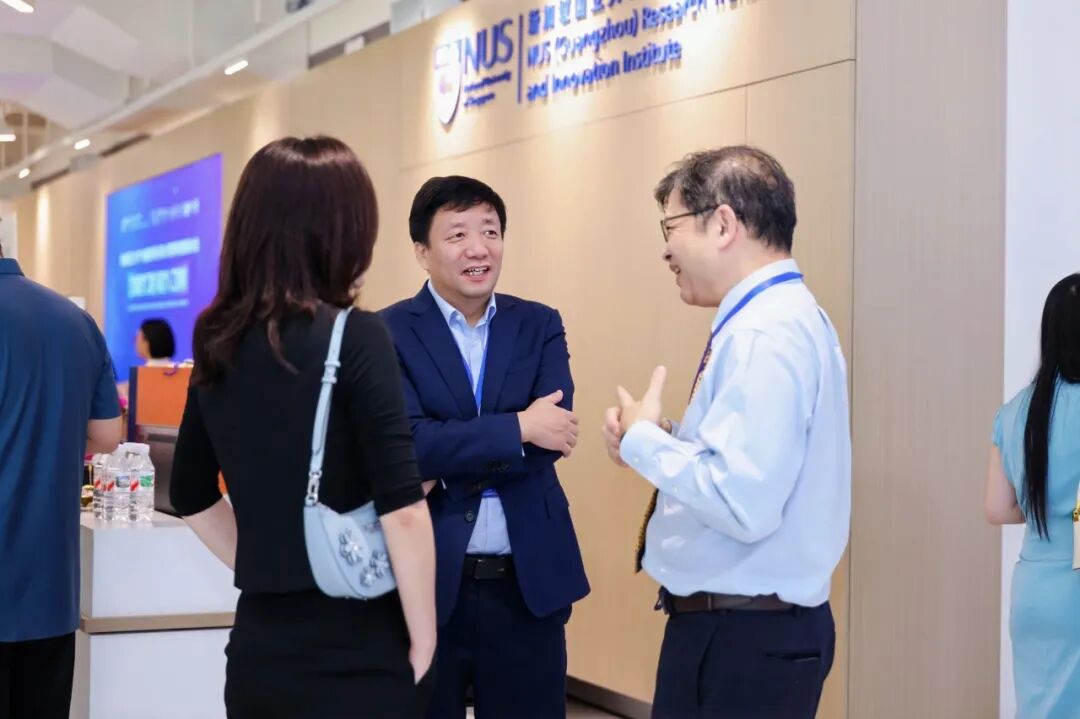
Throughout the event, speakers consistently emphasized “translation” as a central theme. Mr. George Loh noted that while Singapore possesses strong fundamental research capabilities, its limited market size often restricts progress to “from 0 to 1” breakthroughs. “China, however, has a vast application market. Through bilateral cooperation, we can bring cutting-edge technologies to Guangzhou for translation, ensuring that technological advantages genuinely benefit society while fostering mutual growth for our universities and enterprises.”
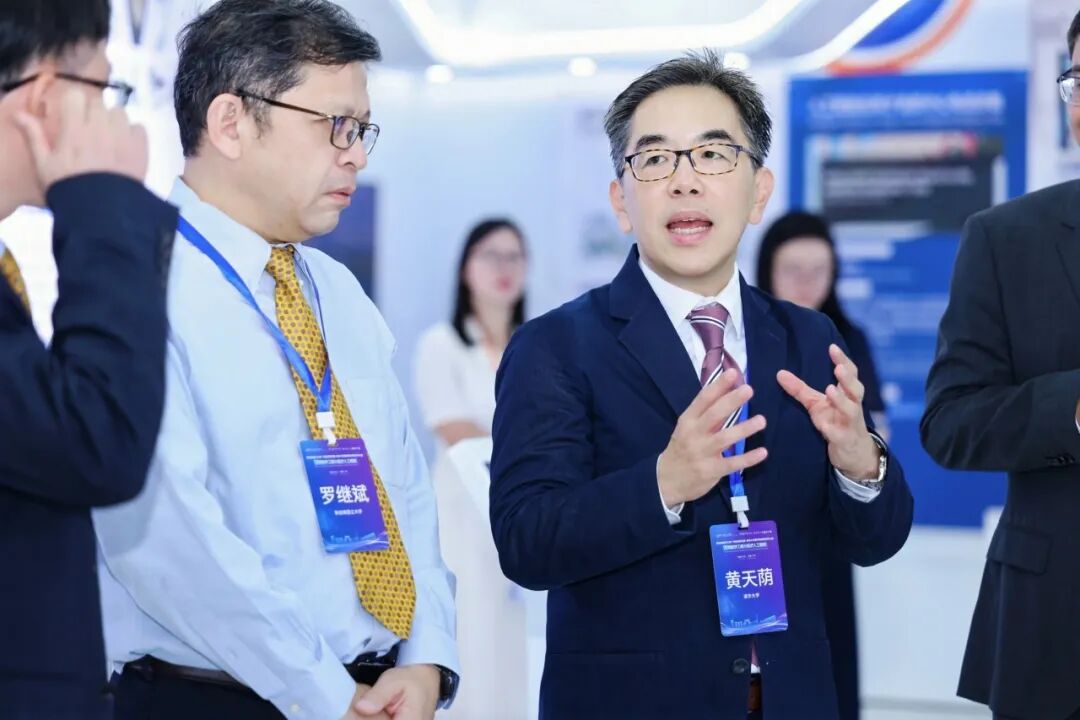
Professor Tien Yin Wong concurred wholeheartedly. He emphasized that the core mission of universities is talent cultivation, and that universities alone cannot translate research outcomes into products. “Translation requires deep industry participation. The key value of today’s forum lies precisely in industry engagement—enterprises understand how to turn research into products that people need.”
As a leading player in the medical device industry, Mindray Medical had previously signed a strategic cooperation memorandum with NUS and NUS GRTII, establishing a joint laboratory with clear collaboration in surgical robotics, in vitro diagnostics, medical agent development, and chronic disease management systems. “Through the joint laboratory’s talent development and outcome translation, we aim to bring technologies into clinical reality and scale their adoption globally,” said Dr. Li Xinsheng, Senior Vice President of Mindray Medical.
As a vital extension of NUS’s global innovation network, NUS GRTII is deeply rooted in the China-Singapore Guangzhou Knowledge City and fully integrated into the development of Huangpu District and the Guangdong-Hong Kong-Macao Greater Bay Area. The successful convening of this conference has not only established an efficient platform where scientific questions directly confront clinical needs and technological solutions align with market capital, but has also provided solid support for breaking through translational bottlenecks and clearing the “last mile” to clinical and commercial impact.
Looking ahead, the Institute will continue to leverage NUS’s world-class research excellence and proven outcome translation systems to build an annual high-caliber brand platform for academic exchange, radiating across the GBA and connecting globally. The Institute will further capitalize on its unique advantage as a cross-border innovation bridge between Singapore and China, linking NUS’s global research teams, leading universities in China and abroad, and GBA industry champions to continuously foster cross-disciplinary, cross-regional, and cross-border collaborative innovation. It will accelerate the incubation and industrialization of frontier technologies, cultivate high-caliber interdisciplinary innovation talent, and contribute to the GBA’s ambition of becoming a world-class industrial hub.