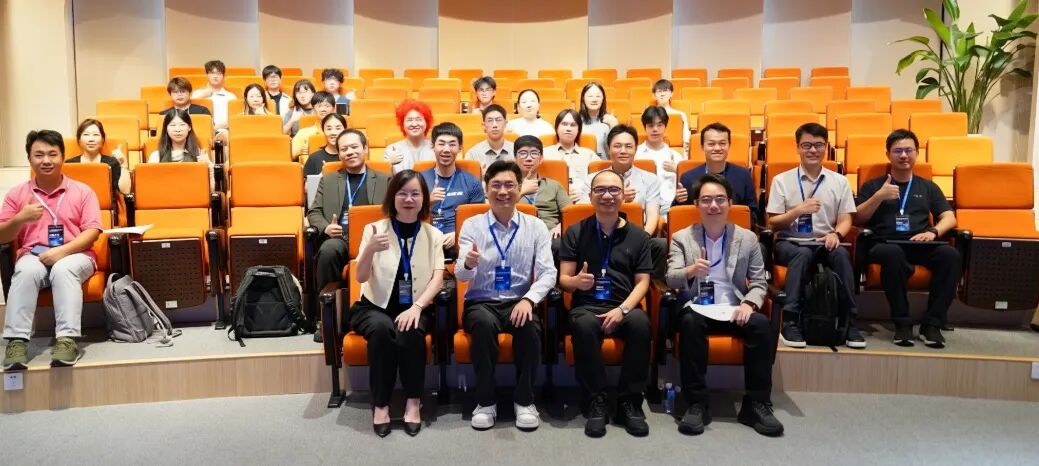
On July 15, 2026, the Joint Forum on Frontiers in Artificial Intelligence was successfully held at the Hong Kong University of Science and Technology (Guangzhou), co-hosted by the Artificial Intelligence Thrust at HKUST (GZ) and National University of Singapore Guangzhou Research Translation and Innovation Institute (NUS GRTII). The forum brought together nine distinguished scholars from HKUST (GZ) and NUS, specializing in cutting-edge AI domains including large model systems, embodied intelligence, trustworthy machine learning, and generative AI. Through a series of featured presentations, the forum aimed to establish a high-level academic dialogue platform, showcase the latest research breakthroughs in the field, explore technology development trends, deepen cross-university research exchanges and strengthen collaborative ties, and provide HKUST (GZ) faculty and students with valuable opportunities for face-to-face engagement with leading scholars.
Opening Remarks
The forum commenced with an opening address by Professor Kaishun Wu, Associate Vice-President (Research) of HKUST (GZ). On behalf of the university, he extended a warm welcome to the NUS delegation and underscored the importance of cross-institutional academic dialogue in advancing AI research frontiers and nurturing talent.
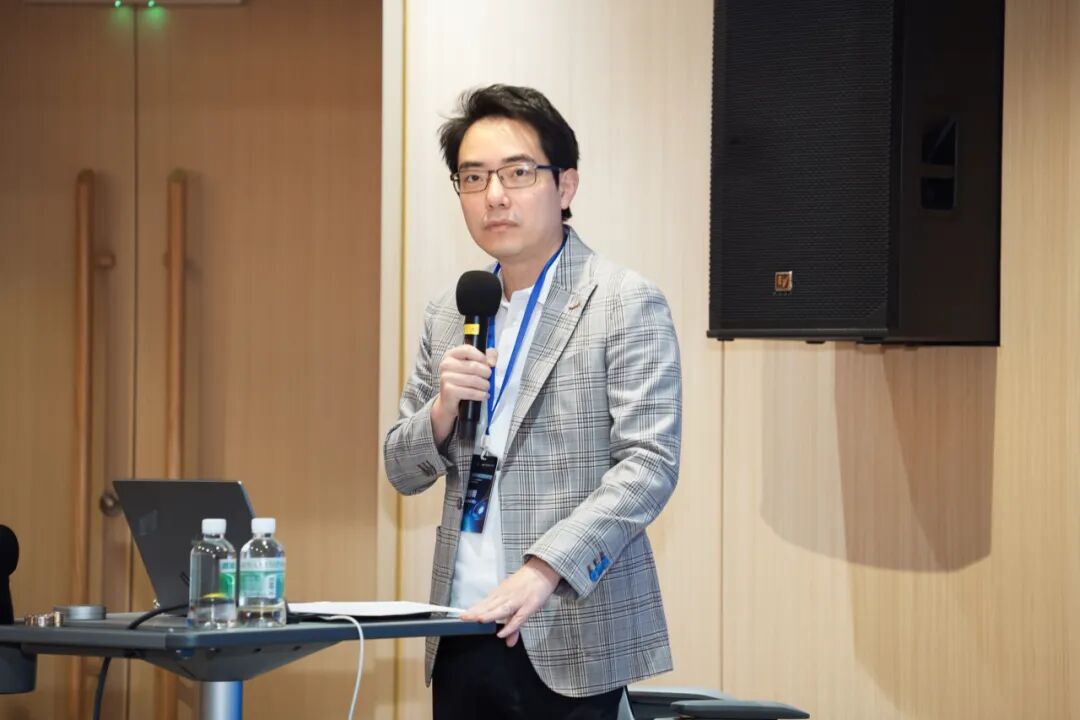
Ms. Fu Xiaofang, Senior Associate Director (Education) of NUS GRTII, then delivered remarks. She expressed her hope that the forum would serve as a catalyst for deepening collaboration between the two institutions in AI research and joint talent development, enabling them to contribute their collective wisdom to the AI advancement in the Guangdong-Hong Kong-Macao Greater Bay Area and worldwide.
Forum Highlights
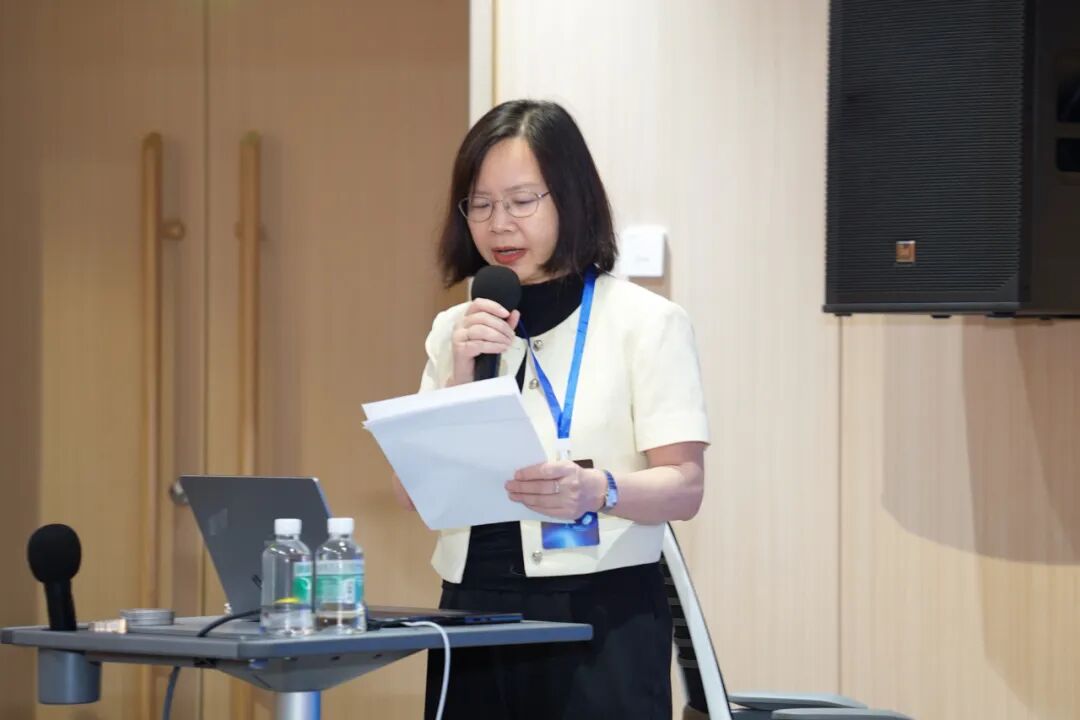
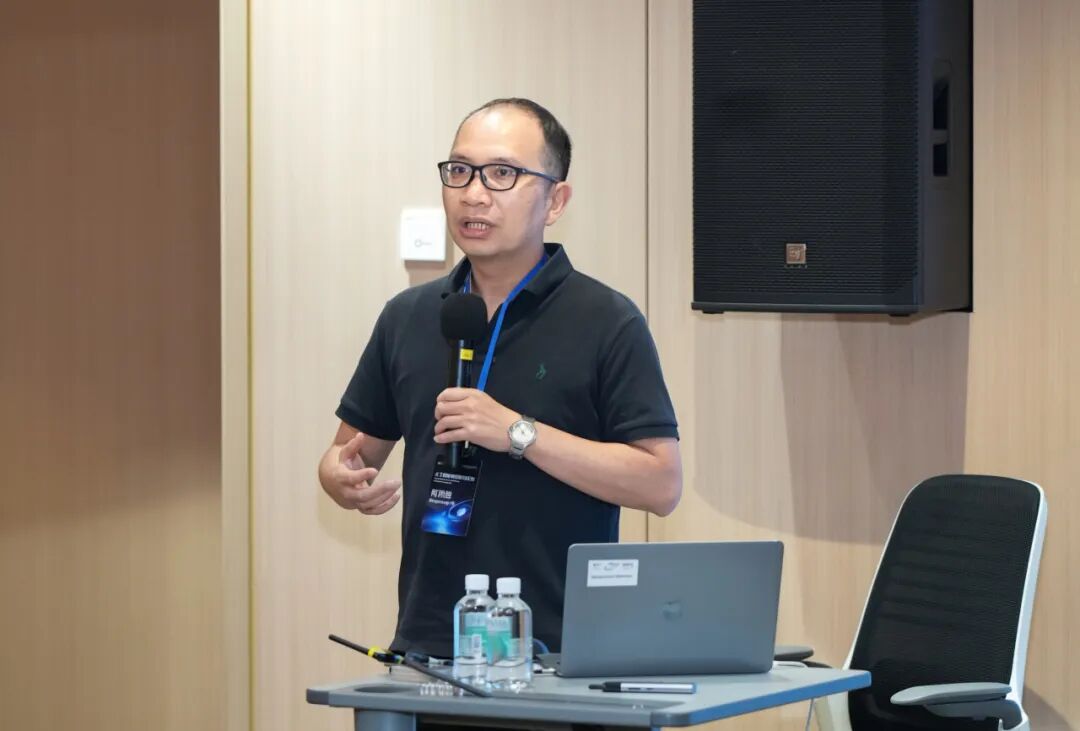
Assistant Professor Jialin Li from the National University of Singapore opened the academic session with a presentation titled Efficient Serving Systems for Emerging LLM Workloads, in which he shared high-performance scheduling systems and semantic-aware caching solutions designed for large language model (LLM) workloads. His work offered systematic pathways to improve model serving throughput and reduce cross-region access latency.
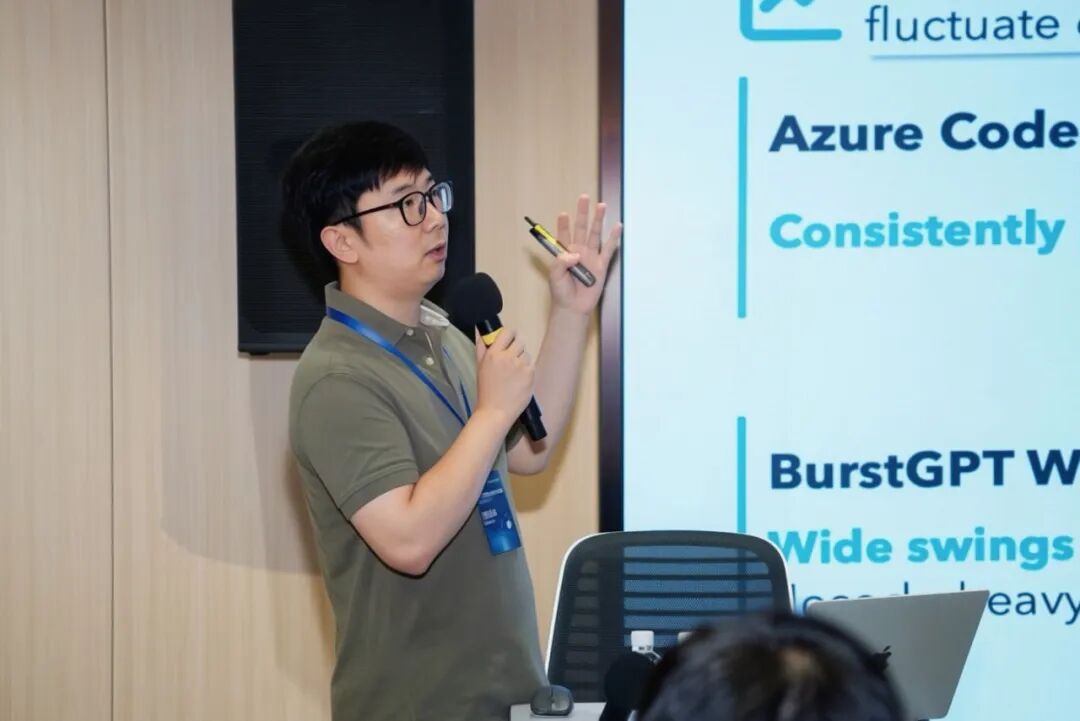
Assistant Professor Zeyi Wen from the Data Science and Analytics Thrust of HKUST (GZ) followed with Low-Resource Large Model Inference and Fine-Tuning, introducing full-parameter fine-tuning of large models on consumer-grade hardware and acceleration techniques for large-scale MoE model inference, demonstrating the optimization potential of single-GPU setups.
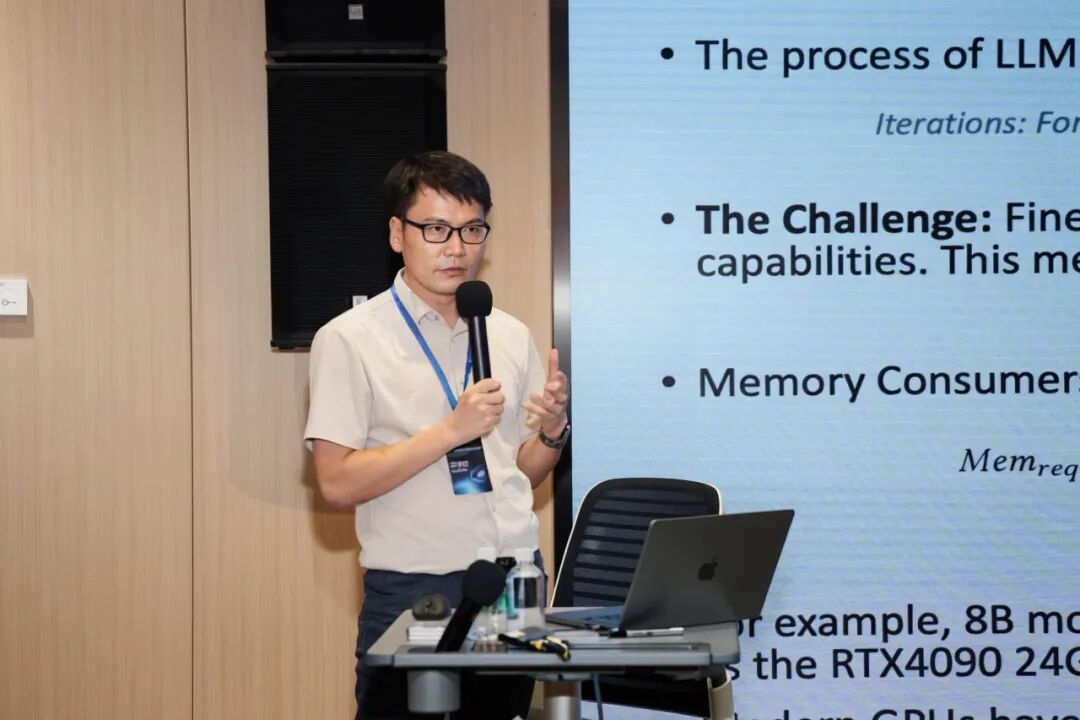
Professor Bingsheng He, Vice Dean (Research) of the NUS School of Computing and Principal Investigator at NUS GRTII, presented Automatic Optimization for Efficient LLM Systems. His talk covered automatic optimization technologies for large model systems from multiple dimensions—compute units, data representation, and system execution—alongside cross-platform kernel optimization engines.
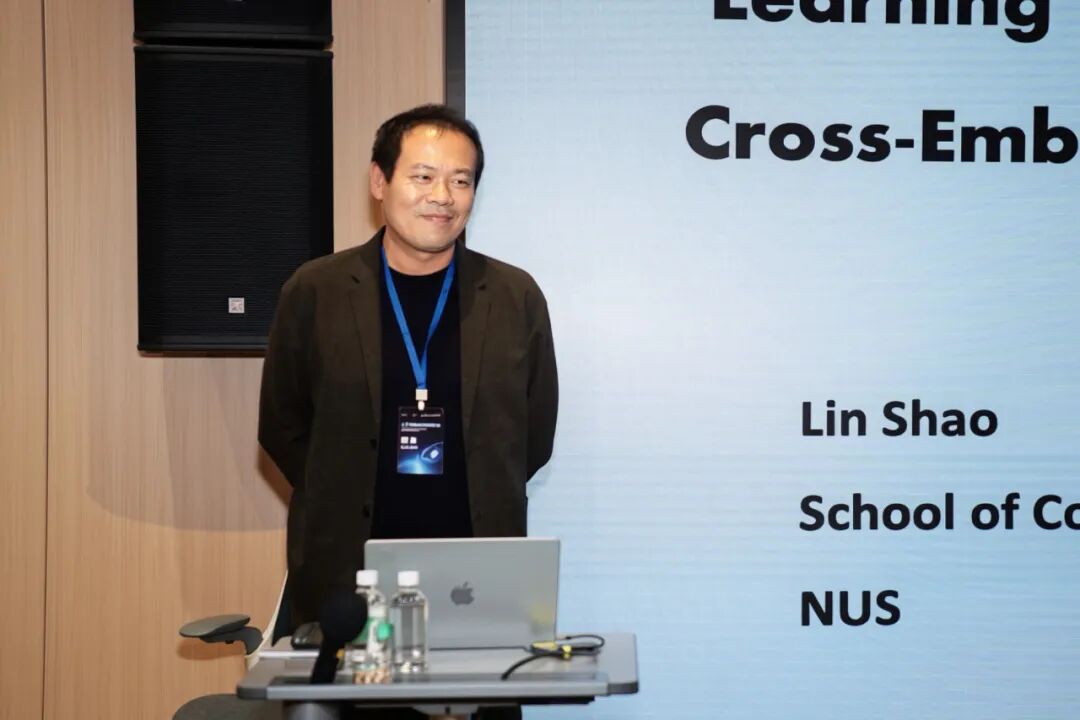
Assistant Professor Lin Shao from the Department of Computer Science at NUS and Principal Investigator at NUS GRTII, delivered a talk titled Learning Robot–Object Interaction for Cross-Embodiment Dexterous Grasping, focusing on algorithmic design and system construction for cross-embodiment dexterous grasping through robot–object interaction learning.
Assistant Professor Junwei Liang from the AI Thrust of HKUST (GZ) presented Towards Embodied AI for General-Purpose Services, covering two major directions—embodied navigation and robotic manipulation—and introducing his lab’s cutting-edge research in embodied intelligence, including the latest progress on humanoid robot world models.
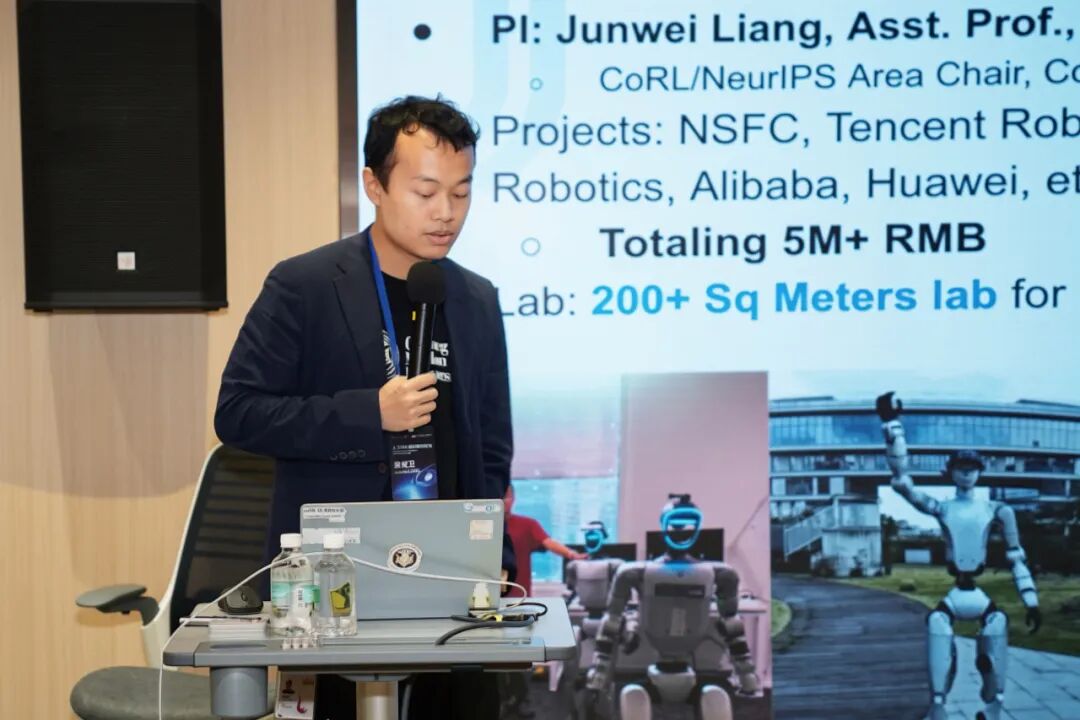
Assistant Professor Anji Liu from NUS spoke on From Sampling to Inference: Making LLM Reasoning Fast and Sound, proposing a paradigm shift from sampling-based to inference-based reasoning for large language models, leveraging probabilistic models to achieve more efficient and reliable LLM reasoning capabilities.
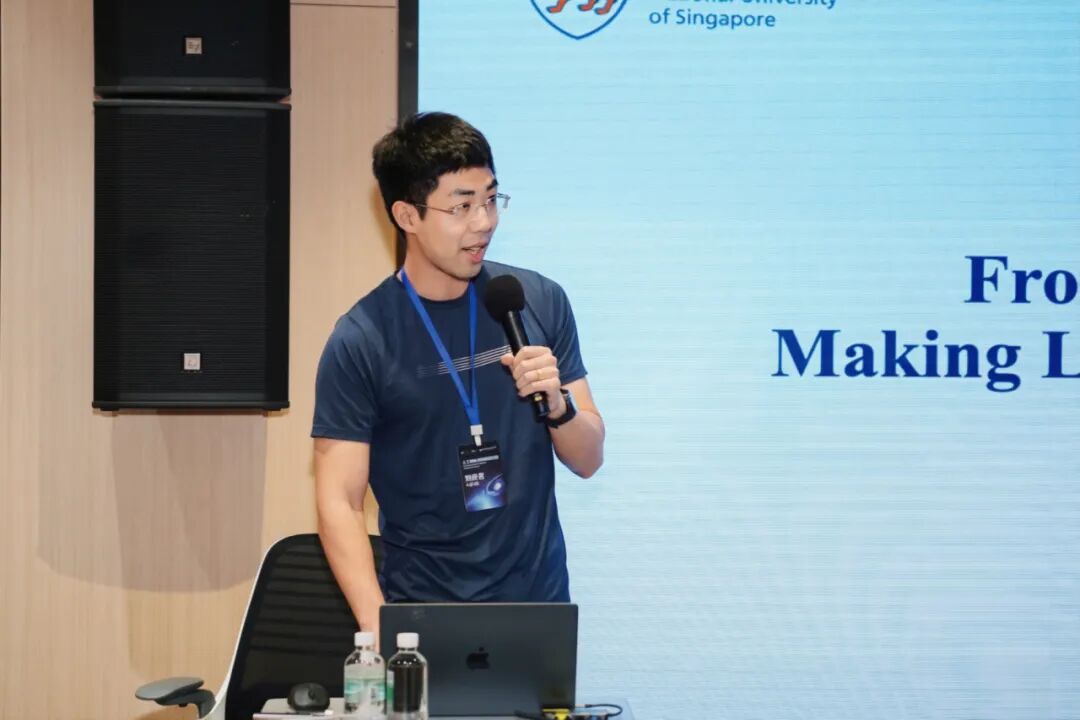
Professor Bo Han, Associate Professor at Hong Kong Baptist University and Adjunct Associate Professor at the AI Thrust of HKUST (GZ), presented Trustworthy ML Systems for Deep Agentic Reasoning and Evaluating Open Agents, introducing collaborative systems for deep agent reasoning and a unified evaluation platform for open agents, advancing the deployment of trustworthy agent systems.
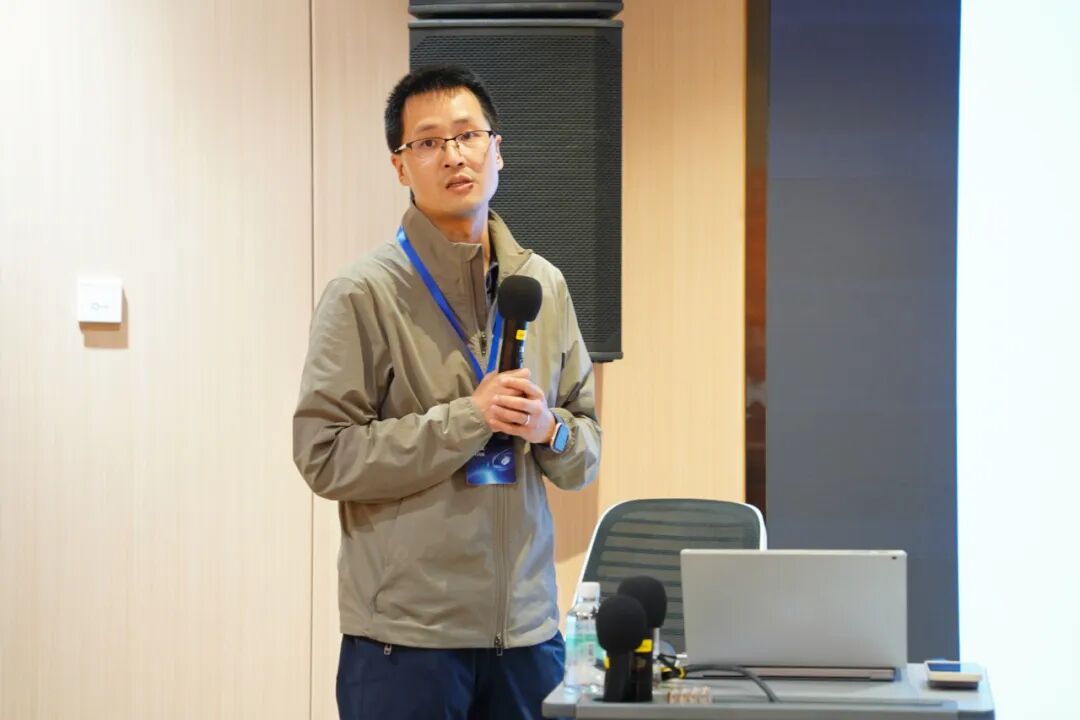
Assistant Professor Yingcong Chen from the AI Thrust of HKUST (GZ) delivered Spatial Induction of 2D Generative Priors, systematically elucidating a three-tier mechanism for inducing spatial intelligence from 2D generative priors and showcasing its effectiveness in 3D vision and generation tasks.
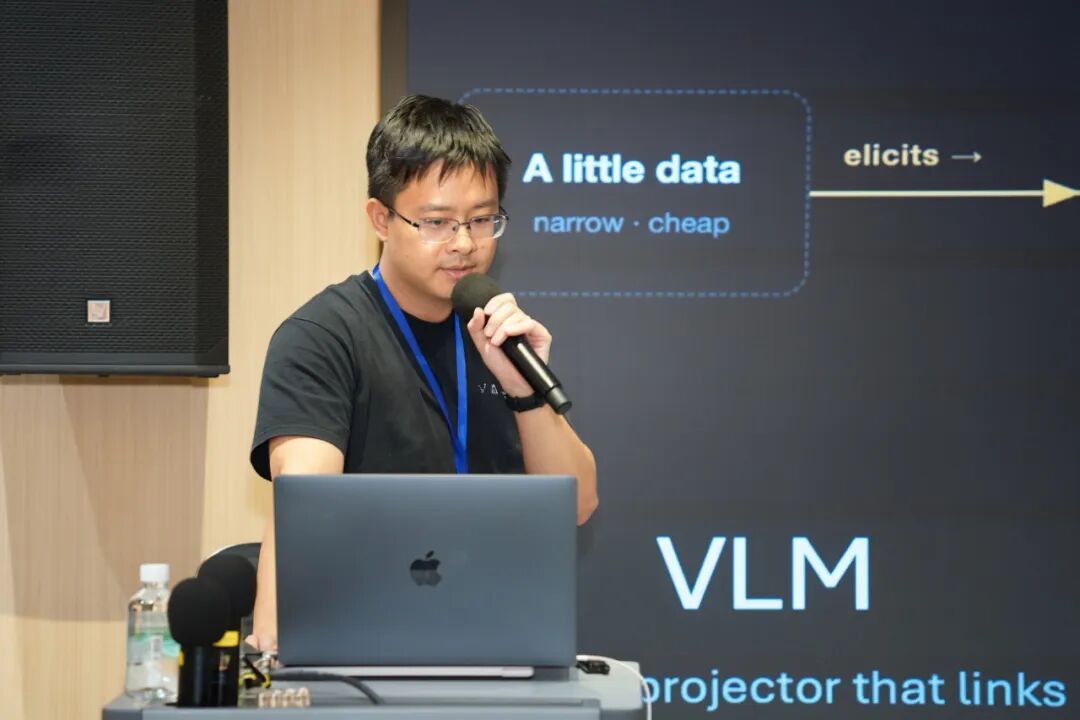
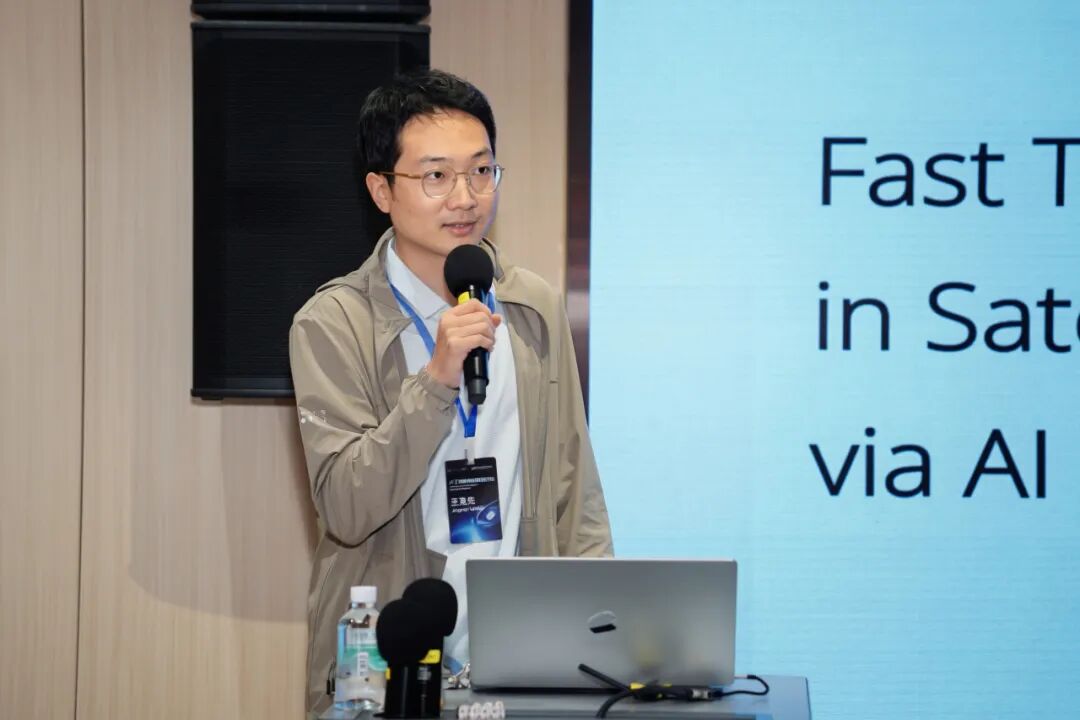
Assistant Professor Jingxian Wang, a Presidential Young Professor from the Department of Computer Science at NUS, , and Principal Investigator at NUS GRTII, concluded the session with AI for Space Networking, presenting an AI-driven traffic engineering system for large-scale low-earth-orbit satellite networks that achieves millisecond-level near-optimal traffic scheduling and significantly enhances satellite network operational efficiency.
The Joint Forum on Frontiers in Artificial Intelligence not only showcased the latest research advances across multiple AI subfields but also further solidified the foundation for research collaboration between HKUST (GZ) and NUS. Looking ahead, both institutions will continue to deepen their exchanges and collaborative ties, jointly exploring new frontiers and innovative possibilities in artificial intelligence.